 ×
×
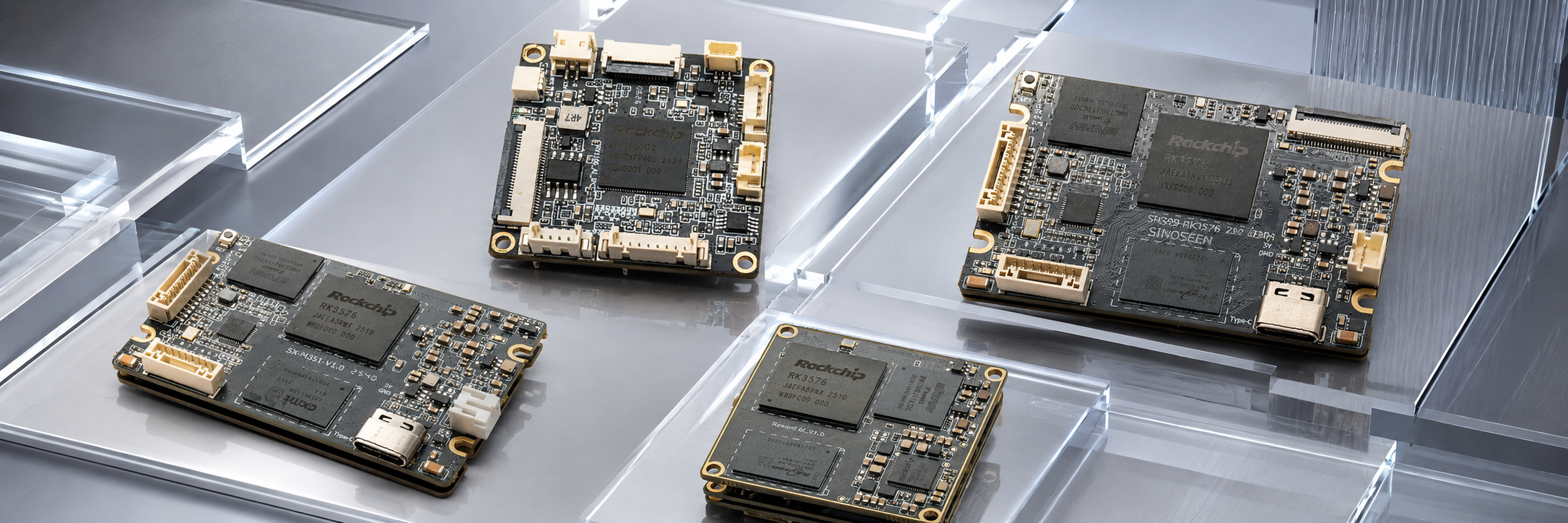
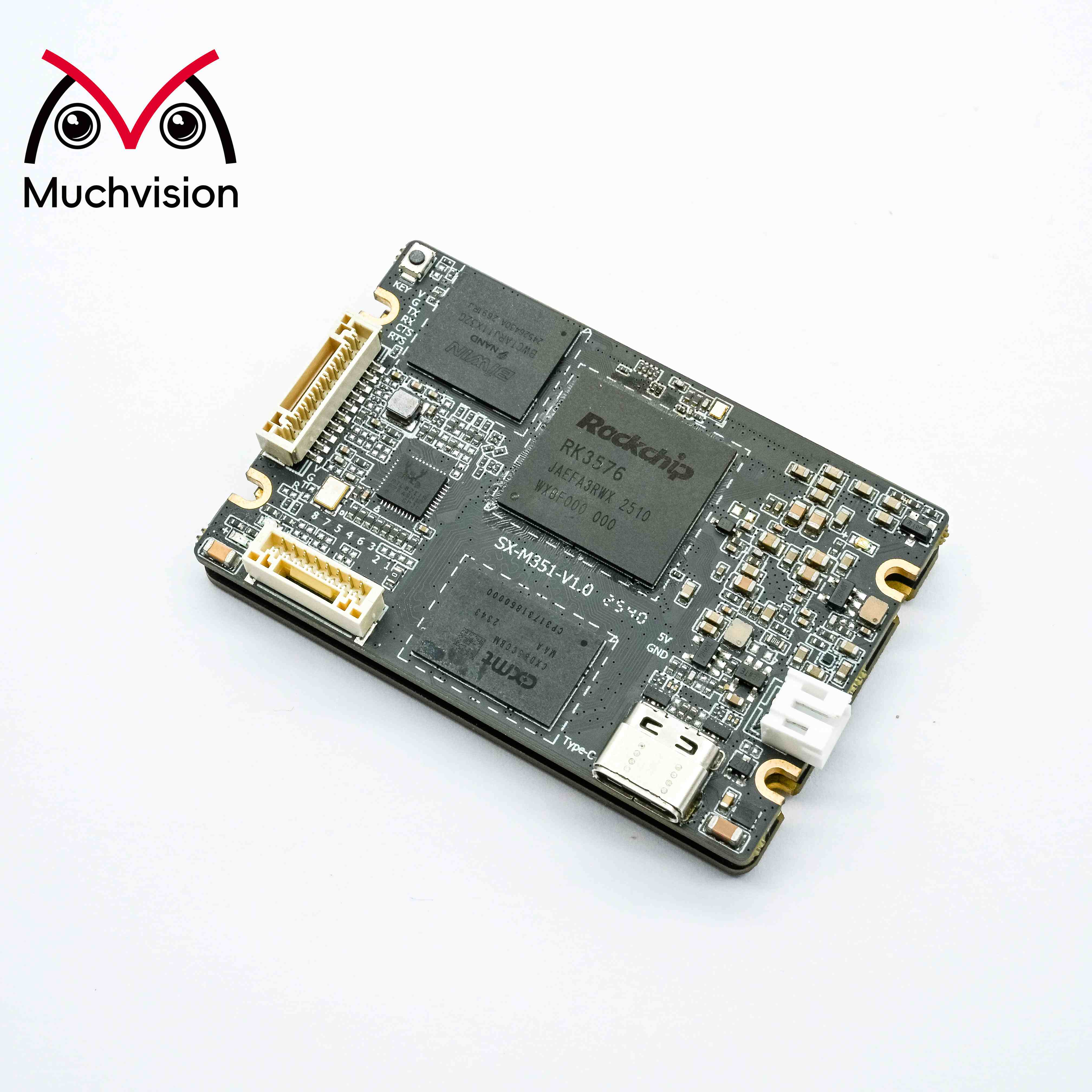
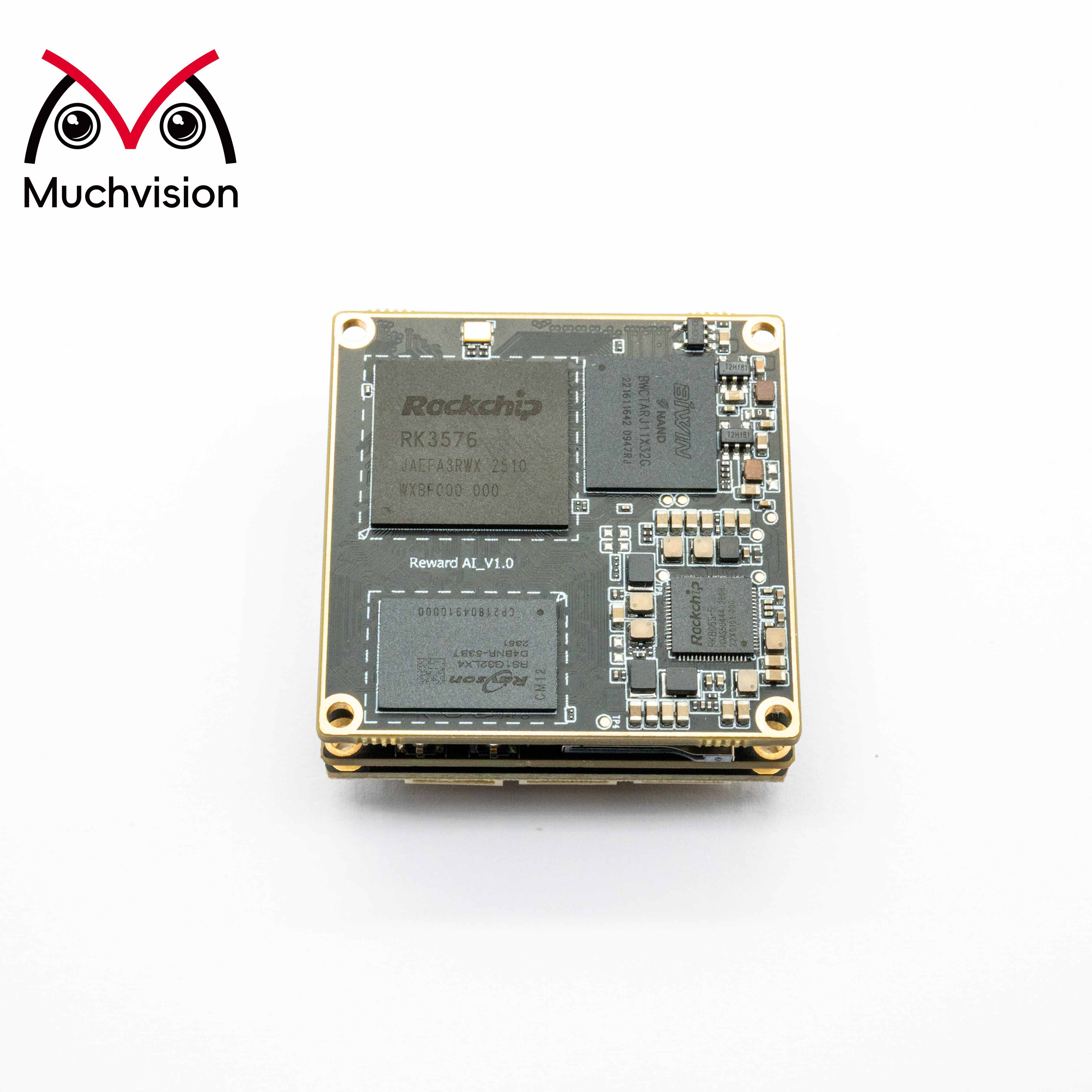
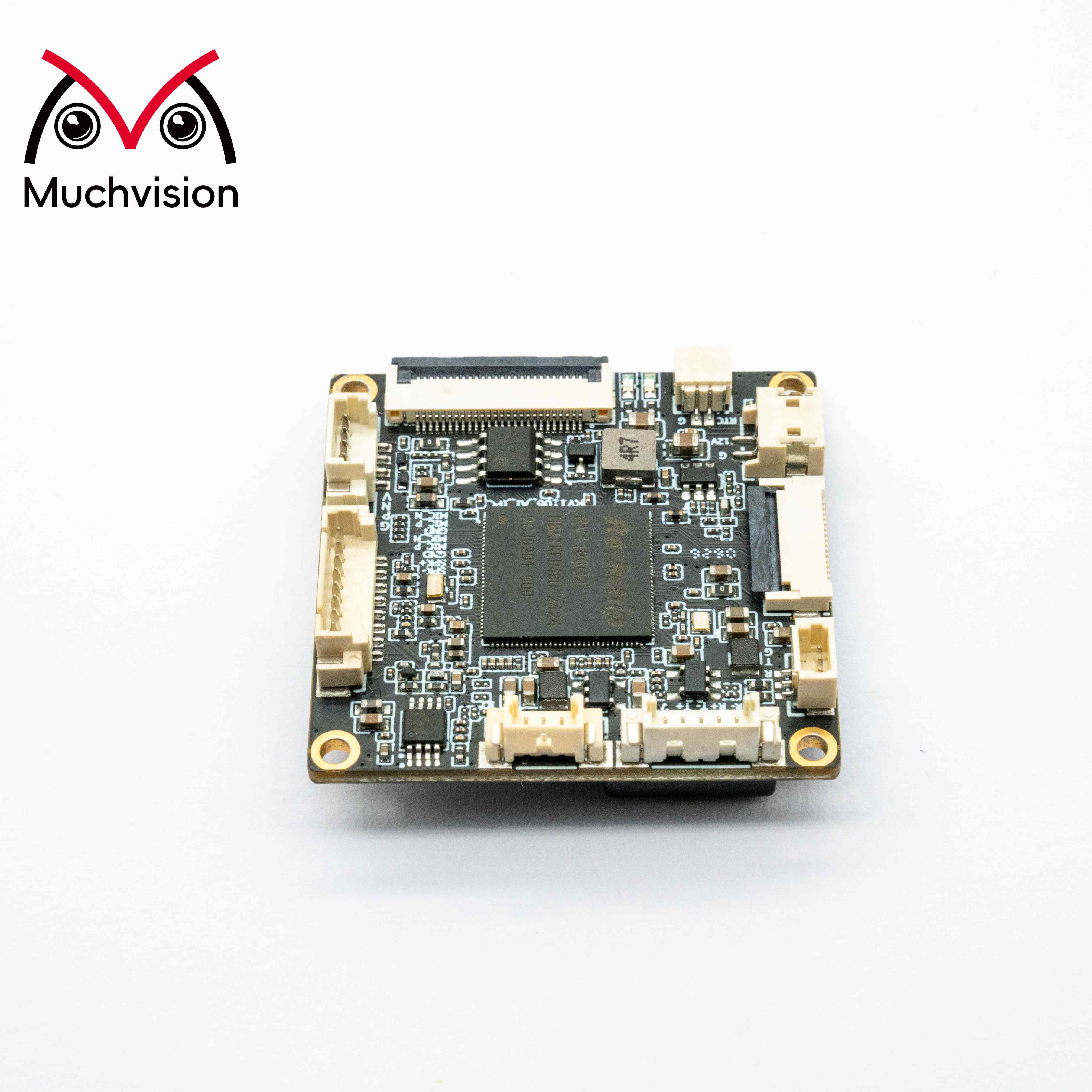
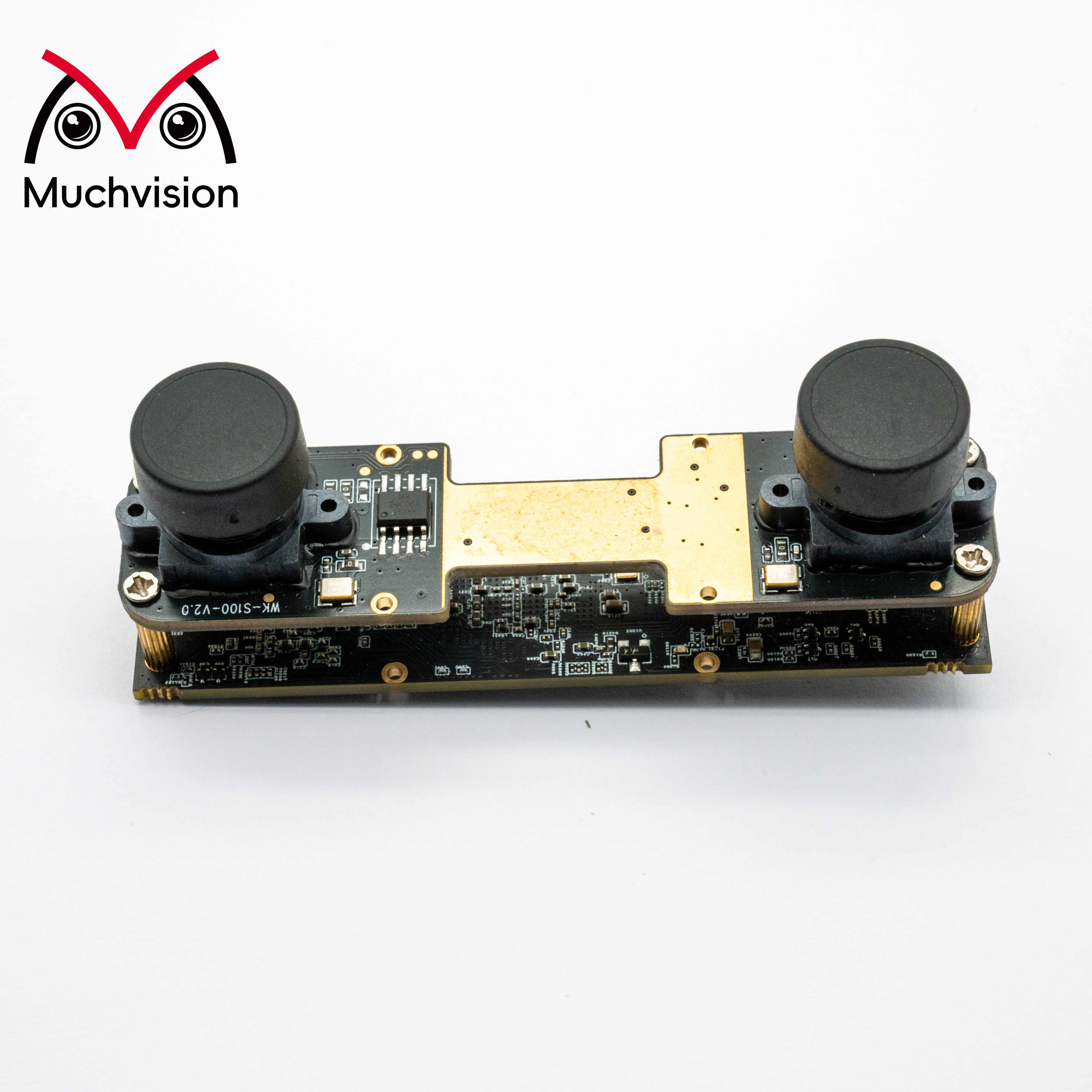
Selecting the right computing platform for specialized original equipment manufacturer (OEM) projects requires careful evaluation of performance, reliability, and adaptability. The industrial sbc has become the preferred choice for organizations that demand customization, durability, and seamless integration into unique operational environments. Unlike off-the-shelf computing solutions, customizable industrial SBCs offer the flexibility to match exact project specifications while maintaining the robustness required in demanding industrial settings.
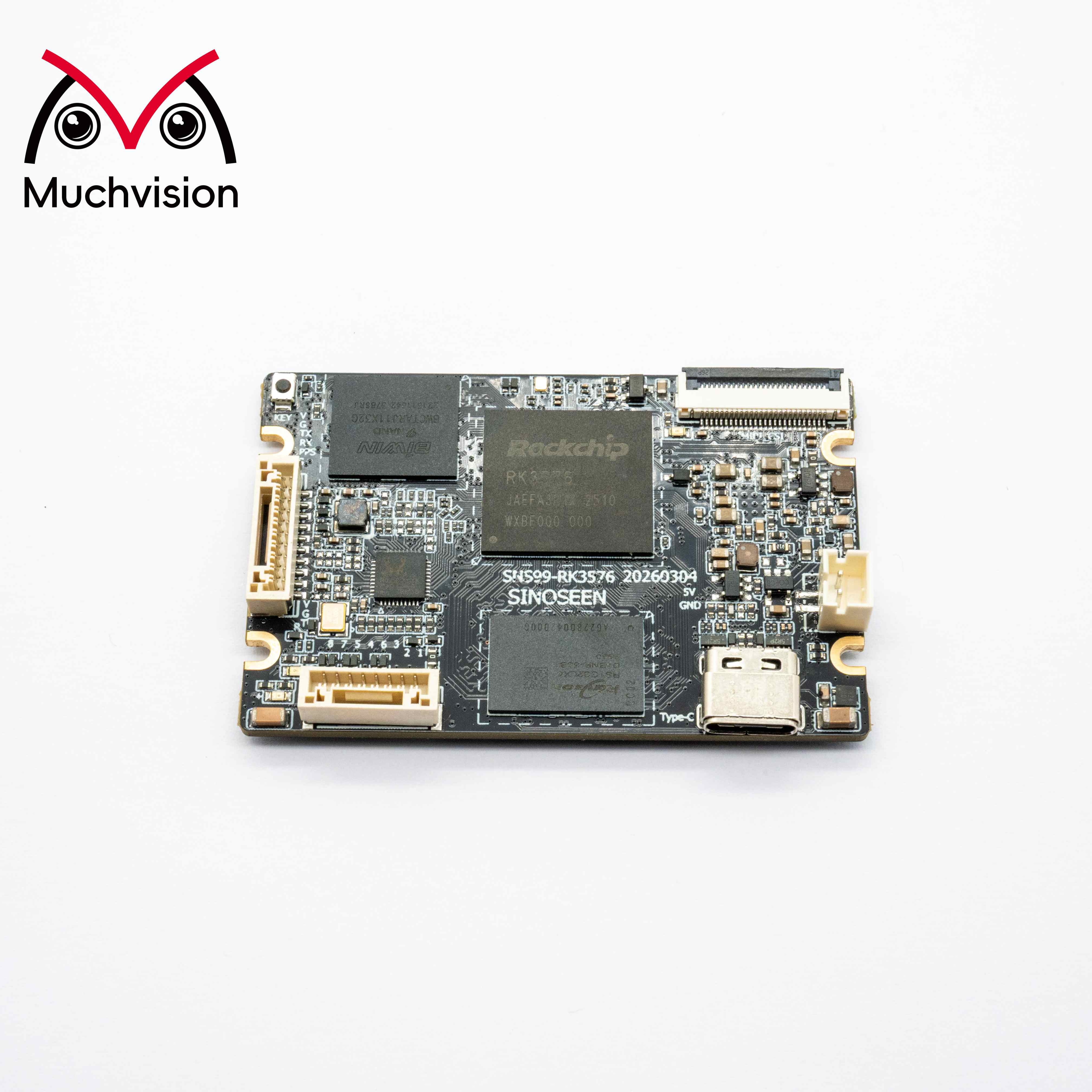
OEM projects often require solutions that standard products simply cannot provide. Customizable industrial SBCs bridge this gap by enabling engineers to tailor processing power, connectivity options, storage configurations, and environmental ratings to meet precise application demands. This guide explores why organizations increasingly rely on customizable industrial SBC platforms and provides a comparison framework for evaluating these solutions in 2026 and beyond.
Customizable industrial SBC solutions provide modular architectures that allow organizations to add, remove, or modify components without redesigning entire systems. This modularity reduces development cycles and enables rapid prototyping for OEM applications. Engineers can select specific processors, memory configurations, and I/O interfaces aligned with project requirements, eliminating unnecessary costs associated with generic off-the-shelf boards. The guide to successful OEM integration starts with understanding this fundamental advantage.
Industrial environments demand reliability and performance consistency that consumer-grade computing cannot provide. Customizable industrial SBC platforms deliver extended temperature ranges, vibration resistance, and enhanced durability features essential for manufacturing, transportation, and field operations. Organizations leveraging industrial sbc customization options gain competitive advantages through reduced time-to-market, lower total cost of ownership, and improved system integration efficiency across diverse OEM project environments.
A detailed comparison between standardized solutions and customizable industrial SBC alternatives reveals significant long-term savings. While initial customization investment may exceed generic board pricing, organizations recover these costs through reduced integration labor, eliminated peripheral waste, and extended product lifecycle. The comparison analysis demonstrates that OEM projects utilizing customizable industrial sbc platforms typically achieve 20-30% cost reduction over five-year deployment periods compared to multiple board revisions required with off-the-shelf solutions.
Successful OEM projects begin with precise definition of performance thresholds and environmental constraints. Industrial sbc customization capabilities enable engineers to specify exact processing architecture, real-time response requirements, thermal management strategies, and operational temperature ranges. This guide emphasizes documenting these parameters early, as they directly influence which customizable industrial sbc platforms can effectively serve project needs. Organizations conducting this comparative analysis upfront typically avoid costly redesigns and integration failures later in development cycles.
Environmental durability represents a critical comparison factor for industrial sbc solutions deployed in harsh conditions. Salt spray exposure, extreme humidity, vibration, and thermal cycling all demand specialized board configurations. The guide to selecting appropriate customizable industrial sbc platforms includes testing protocols and certification requirements specific to target deployment environments. OEM projects in aerospace, marine, transportation, and petrochemical sectors particularly benefit from industrial sbc solutions engineered with application-specific environmental hardening.
Modern OEM applications require diverse connectivity standards ranging from legacy industrial protocols to contemporary IoT frameworks. Customizable industrial SBC platforms allow engineers to integrate specific communication interfaces including CAN bus, RS-485, Ethernet variants, wireless protocols, and proprietary connections without generic board constraints. This comparison advantage becomes especially valuable when projects must support mixed legacy and emerging technologies simultaneously. The guide emphasizes that connectivity flexibility directly impacts system architecture simplicity and long-term maintenance burden reduction across industrial sbc deployments.
Extensibility through expansion slots, module interfaces, and scalable I/O arrangements enables customizable industrial sbc solutions to grow alongside evolving OEM project requirements. Organizations can design systems that accommodate future enhancements without replacing core computing platforms. This forward-looking comparison approach aligns with 2026 technology trends emphasizing modularity and system longevity over frequent replacement cycles inherent in consumer-grade computing solutions.
The industrial landscape continues evolving toward edge-based artificial intelligence and real-time data processing. Customizable industrial SBC platforms now incorporate dedicated AI accelerators, machine learning processors, and advanced algorithmic support enabling autonomous decision-making at deployment sites. The 2026 comparison framework for OEM projects increasingly emphasizes edge computing capabilities, as organizations seek to reduce cloud dependency and latency challenges. This guide highlights how customizable industrial sbc solutions equipped with AI integration support predictive maintenance, quality control automation, and anomaly detection applications essential to modern manufacturing.
Real-time processing demands continue escalating across industrial sectors. Contemporary OEM projects utilizing customizable industrial SBC platforms can deploy sophisticated signal processing, vision analysis, and control algorithms without external computing infrastructure. The 2026 guide to selecting appropriate industrial sbc solutions acknowledges this trend through emphasis on processing power, memory bandwidth, and deterministic response capabilities. Organizations planning OEM deployments should prioritize industrial sbc platforms offering sufficient AI and edge processing resources to support anticipated algorithmic complexity growth.
Environmental responsibility increasingly influences OEM project technology decisions. Customizable industrial SBC platforms designed for extended operational lifespans reduce e-waste and resource consumption compared to frequent-replacement consumer solutions. The 2026 comparison analysis favors industrial sbc platforms emphasizing reliability, repairability, and component longevity over disposable design philosophies. This guide emphasizes that selecting appropriate customizable industrial sbc solutions with sustainability focus aligns with corporate environmental commitments while delivering economic benefits through reduced replacement frequency.
Supply chain resilience represents another critical 2026 consideration for OEM projects. Customizable industrial SBC suppliers enabling local manufacturing, component flexibility, and alternative material options provide risk mitigation advantages over single-source dependency. The guide to selecting industrial sbc platforms in 2026 increasingly prioritizes vendor transparency, geographic diversification, and component availability assurance essential to uninterrupted OEM operations across global markets.
Customizable industrial SBC solutions offer modular processor selection, configurable memory capacity, specialized I/O interfaces, environmental hardening options, and scalable form factors unavailable in generic boards. Organizations can specify exact component combinations matching project requirements rather than adapting designs to standard board limitations. This customization directly reduces integration complexity, development timelines, and unnecessary feature overhead typical of one-size-fits-all computing platforms.
While customizable industrial SBC initial costs may exceed generic alternatives, the comparison reveals significant total cost advantages through reduced integration labor, eliminated peripheral waste, extended operational lifespan, and minimized redesign requirements. OEM projects leveraging customizable industrial sbc solutions typically achieve 20-30% five-year cost reduction compared to multiple standard board replacements. Organizations evaluating this comparison should include lifecycle maintenance, replacement frequency, and support continuity in economic analysis.
The guide for 2026 OEM projects emphasizes edge AI processing integration, enhanced real-time capabilities, sustainability focus, and supply chain resilience. Customizable industrial SBC solutions supporting these trends enable organizations to deploy sophisticated algorithms locally, reduce cloud dependency, meet environmental commitments, and mitigate supply disruption risks. Selecting industrial sbc platforms equipped with these capabilities ensures technology alignment with emerging market demands and competitive requirements.
 Hot News
2026-09-21
2026-09-18
2026-09-14
2026-09-13
2026-09-09
2026-09-09

 EN
EN