 ×
×
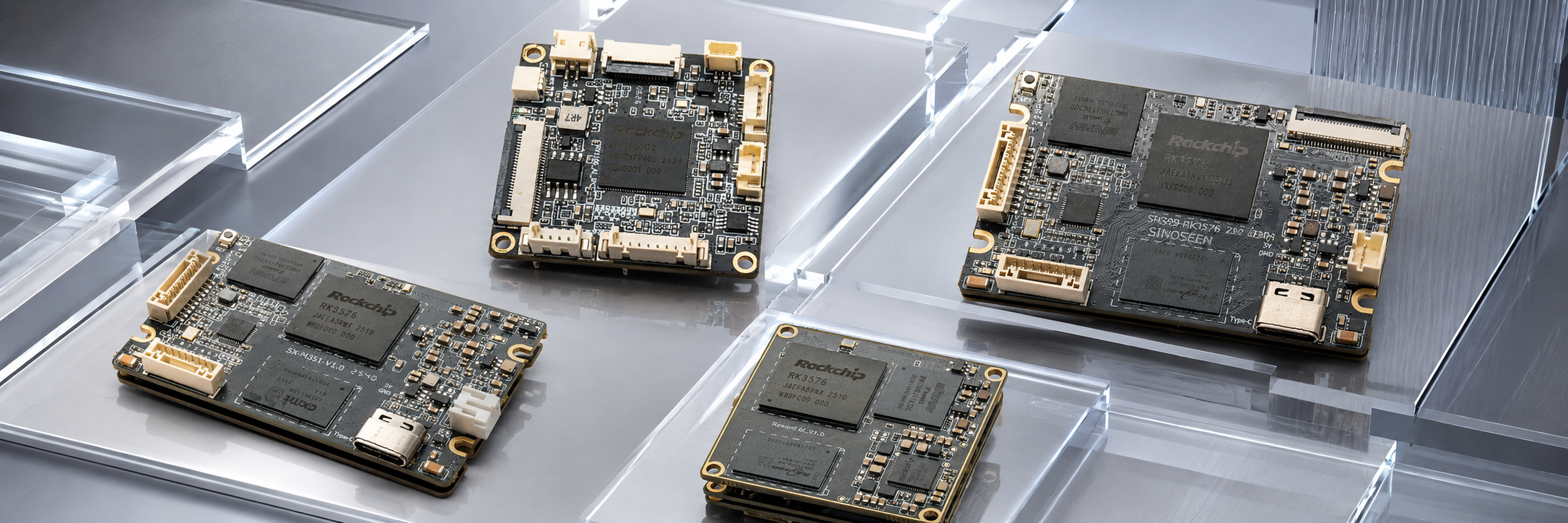
Development timelines in embedded systems engineering have long represented a critical bottleneck for hardware manufacturers, OEM partners, and systems integrators. When building custom solutions from scratch, teams invest months in circuit design, firmware validation, and integration testing before reaching production readiness. However, adopting a standardized embedded board fundamentally changes this trajectory. By leveraging pre-validated hardware platforms that ship with mature driver ecosystems and proven layouts, engineering teams can compress development cycles from twelve months to six, freeing resources for application logic and market differentiation instead of reinventing foundational hardware architecture.
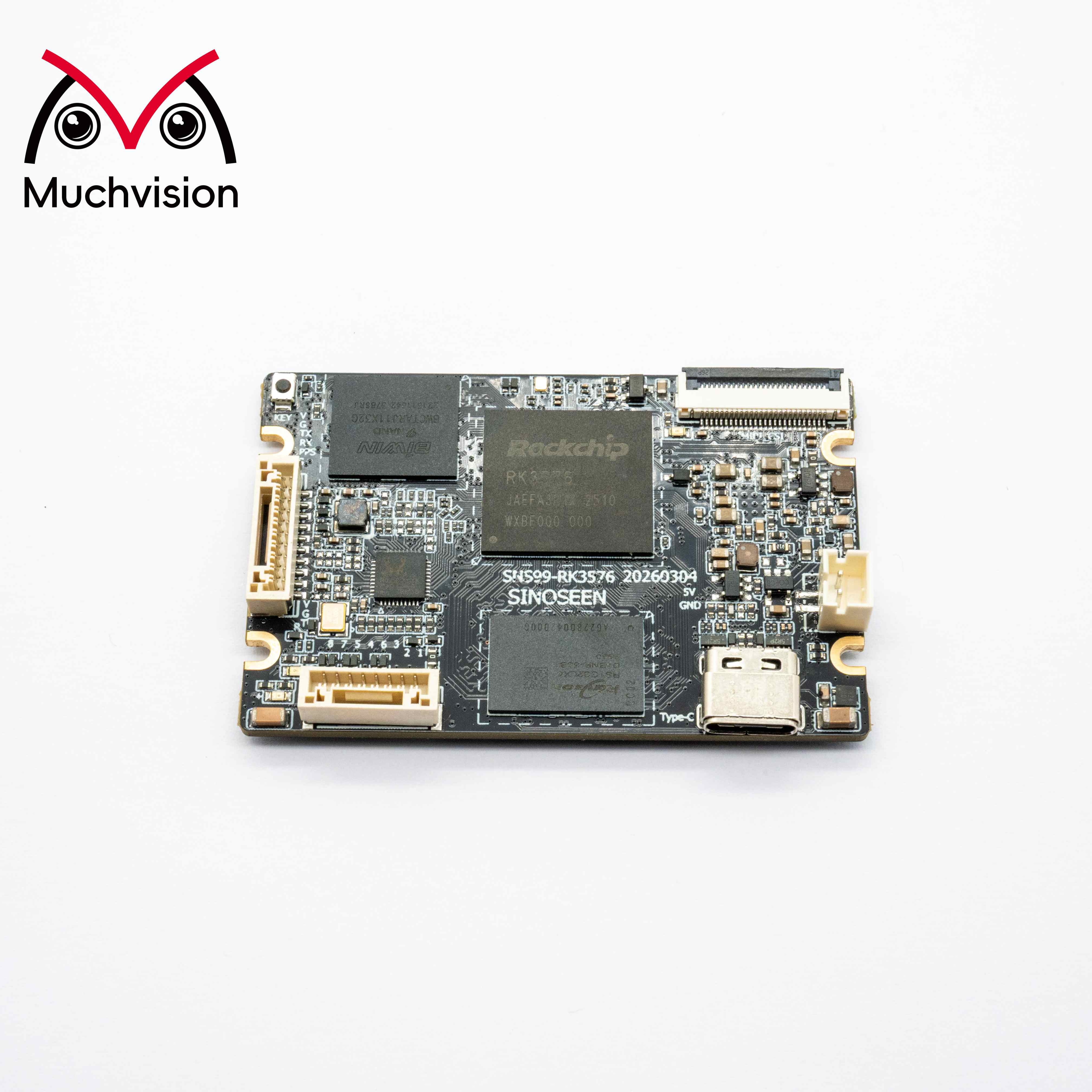
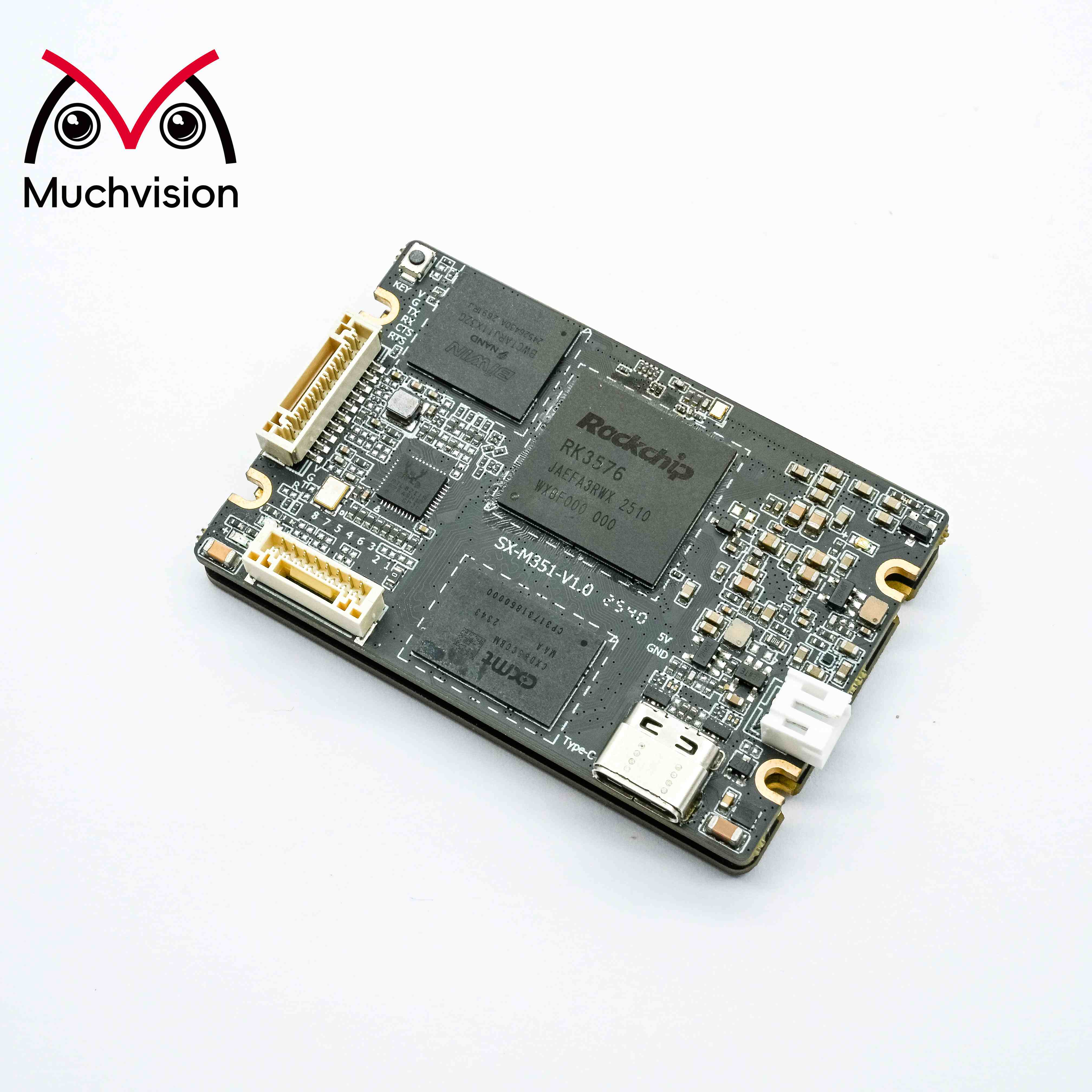
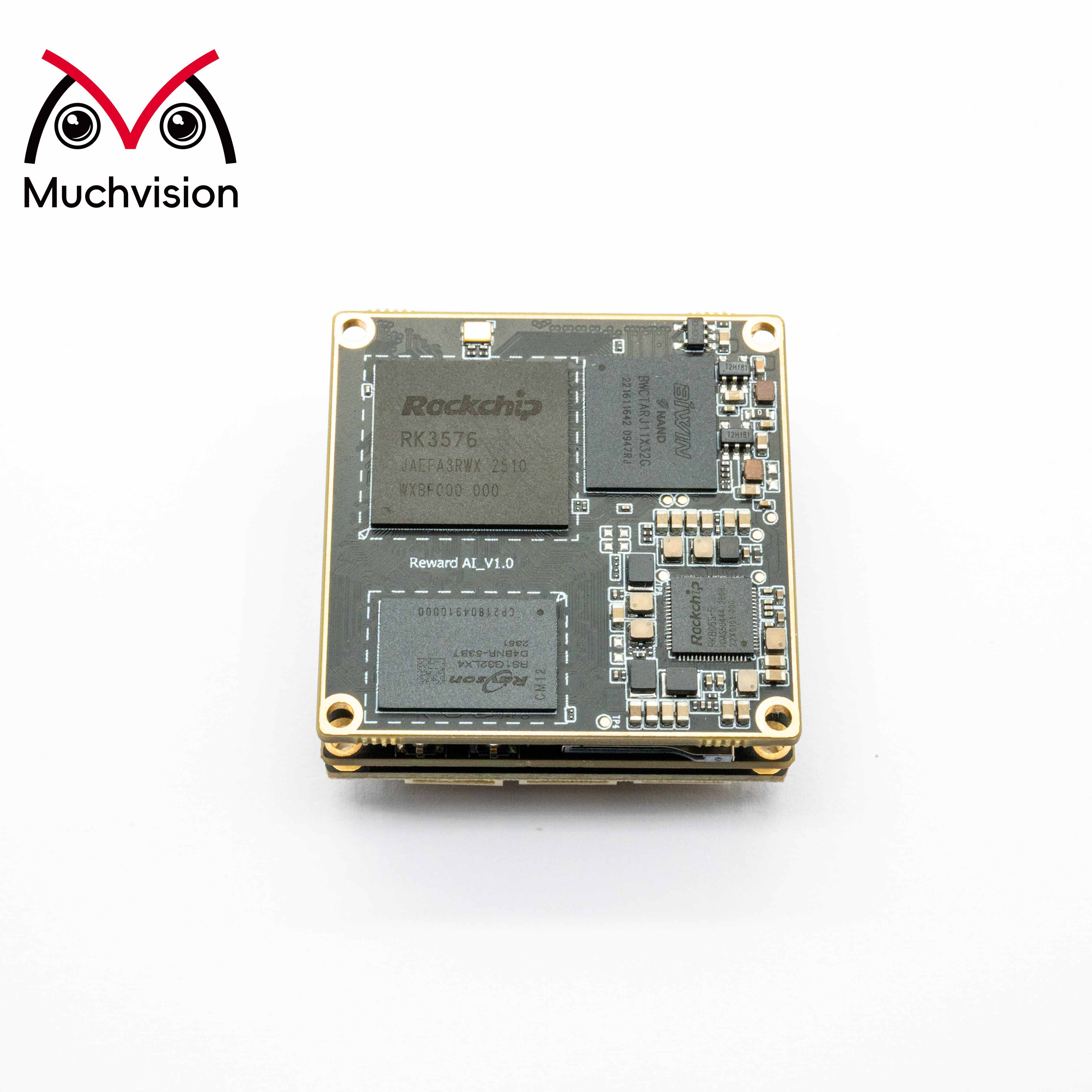
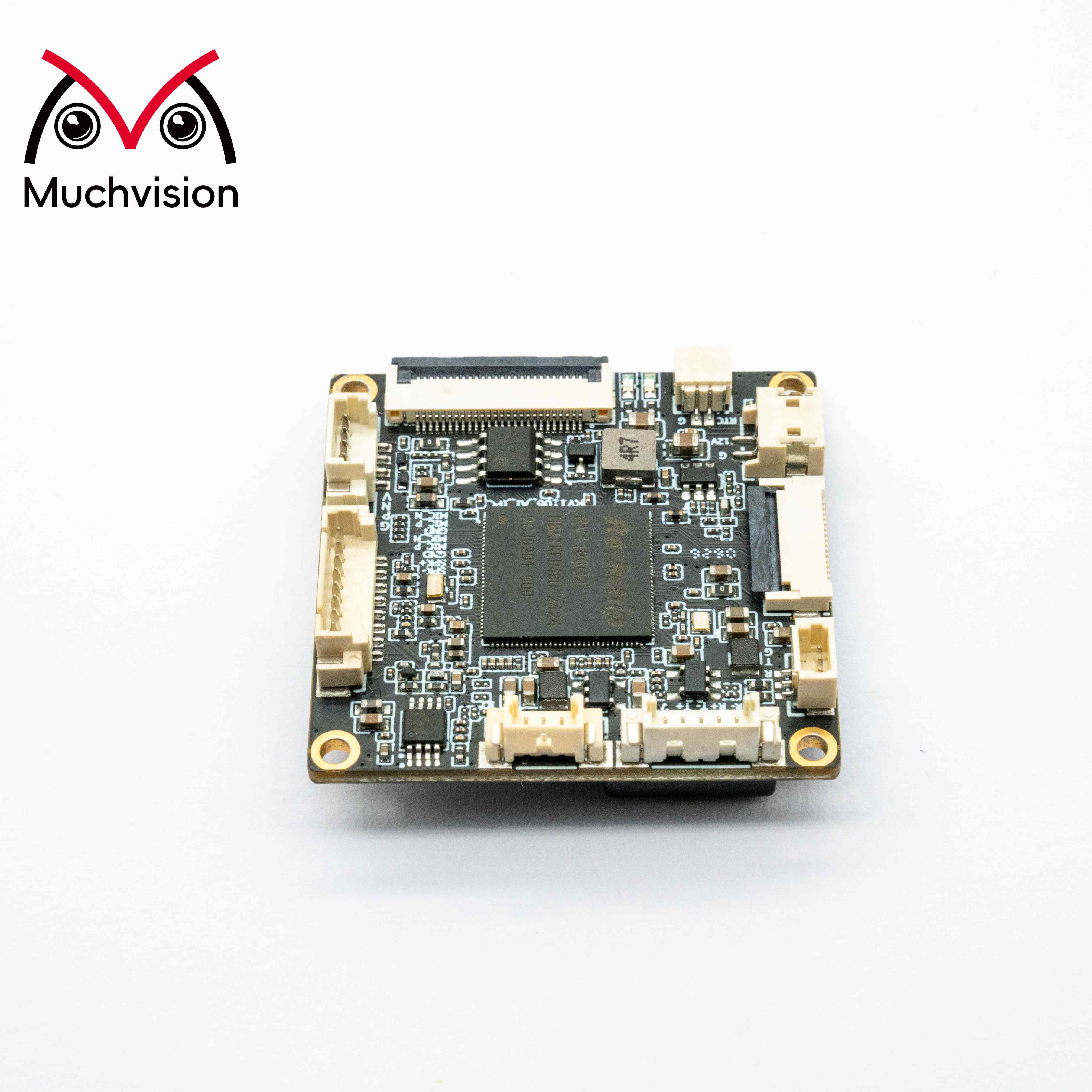
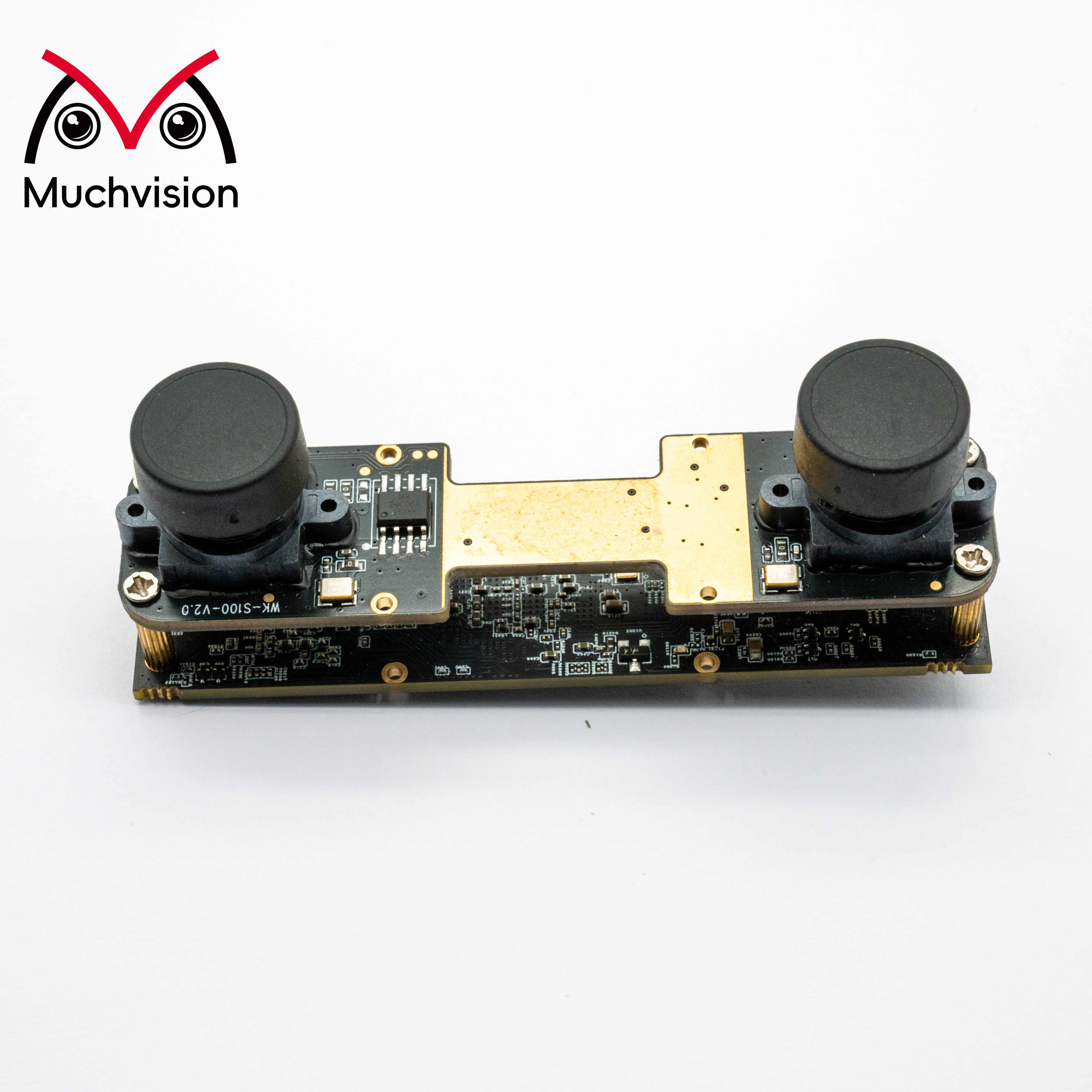
The embedded board market has matured substantially over the past five years, with leading vendors delivering production-grade modules that eliminate common design pitfalls. An embedded board serves as the computational foundation for edge applications ranging from industrial vision systems to autonomous vehicle platforms. Understanding how to select and integrate the right platform becomes essential for any team aiming to launch products faster without sacrificing reliability or performance expectations that the market demands in 2026.
A standardized embedded board incorporates proven architectural patterns developed through thousands of deployment hours across diverse industries. These platforms typically feature integrated power delivery networks, optimized signal routing, and validated thermal management pathways that would otherwise require months of prototype iteration. The embedded board design standardization encompasses processor selection, memory hierarchy, and peripheral interface placement, all tested against real-world edge conditions. By inheriting this proven foundation, your development team avoids costly redesigns that emerge from overlooked signal integrity issues, power sequencing conflicts, or thermal dissipation challenges.
When you select an embedded board rather than designing custom hardware, your team immediately gains access to validated Board Support Packages, precompiled bootloaders, and documented hardware interfaces. This integration readiness translates to tangible calendar time savings. OEM partners working with standardized platforms report reducing hardware validation phases by forty to sixty percent compared to custom designs. The embedded board arrives with pinout documentation, reference schematics, and known-good manufacturing processes, allowing firmware engineers to begin development immediately rather than waiting for prototype iterations.
OEM operations particularly benefit from standardized embedded board adoption because manufacturing partners have already amortized tooling and qualification costs across multiple customers. This distributed cost model makes the embedded board significantly more affordable than custom silicon or proprietary designs for production volumes typical of industrial applications. Beyond unit cost reductions, your engineering team no longer needs dedicated hardware specialists focused solely on schematic capture and layout optimization. Those resources redirect toward application software, machine learning model development, or system integration tasks that directly create market differentiation.
Custom hardware designs create concentrated supply chain vulnerabilities because each component has a single source and no alternative qualified equivalent exists. Standardized embedded board platforms, by contrast, benefit from established vendor relationships, multiple production facilities, and documented secondary sources. When market conditions shift or supply disruptions emerge, having an embedded board on established supply contracts provides significant competitive advantage. OEM manufacturers increasingly demand this supply chain transparency from component providers, making standardized solutions more commercially attractive as production ramps toward 2026 market deployments.
A common misconception suggests that standardized platforms necessarily sacrifice performance compared to bespoke hardware. In reality, the comparison reveals that most embedded board offerings deliver sufficient compute capacity for ninety percent of edge applications while removing the twelve-month design cycle burden. Your selection process should weigh whether marginal performance gains justify extended development timelines and increased engineering costs. For vision-based systems, industrial automation, and autonomous robotics applications expected in 2026, standardized embedded board processors now include specialized accelerators for AI inference, video processing, and real-time control that previously demanded custom silicon.
When conducting a comparison of available embedded board options, examine not just current specifications but documented expansion capabilities. Leading platforms provide modular interfaces for additional sensors, communication modules, and storage options without requiring board redesign. An embedded board with clearly mapped connector standards and software abstraction layers enables your team to adapt the platform as requirements evolve post-launch. This forward compatibility becomes increasingly valuable as your product roadmap extends beyond initial 2026 targets, allowing incremental capability additions without investing in another complete hardware redesign cycle.
Successful development time reduction depends on coordinating firmware development alongside hardware selection rather than treating these as sequential phases. When your embedded board arrives with comprehensive documentation and SDK availability, firmware engineers can immediately validate their application requirements against actual hardware behavior. This parallel workflow, impossible with custom designs undergoing initial prototype validation, compresses your overall time-to-market substantially. The embedded board manufacturer's commitment to maintaining driver stability and software support directly influences your post-launch maintenance burden, making vendor track record a critical evaluation factor.
Moving from prototype to production deployment requires comprehensive system validation, environmental testing, and regulatory compliance verification. Standardized embedded board platforms benefit from established qualification documentation, including thermal profiles, EMC compliance evidence, and safety certifications that your OEM quality team can leverage rather than repeating independently. This comparison of qualification effort demonstrates why production timelines compress so significantly when building on proven platforms. An embedded board that has already survived reliability qualification across multiple customer deployments offers confidence that your product will meet similar requirements without discovering fundamental hardware issues during your certification phase.
Most engineering teams report reducing hardware development phases from eight to twelve months down to three to four months when adopting a standardized embedded board. The comparison becomes even more favorable when accounting for prototype revisions, supplier coordination, and layout rework cycles that custom designs typically require. Your actual savings depend on hardware complexity and team experience, but even conservative estimates show twelve to eighteen months of calendar acceleration for complete product development.
Prioritize vendor track record in your target application domain, software ecosystem maturity, supply chain transparency, and technical support quality when conducting a comparison. An embedded board from a vendor with established OEM partnerships and public customer references reduces integration risk substantially. Additionally, evaluate the roadmap clarity and commitment to supporting 2026-era applications including AI inference and edge computing workloads that may impact your long-term product direction.
Yes, OEM manufacturers increasingly transition existing product lines to standardized embedded board platforms during design refresh cycles. This comparison typically reveals that performance remains equivalent while engineering overhead drops significantly. The transition requires revalidation of application firmware and system integration, but the embedded board's stable hardware interface accelerates this process compared to deploying truly novel custom designs. Strategic timing around product refresh enables OEM teams to capture both development efficiency gains and market positioning advantages.
 Hot News
2026-09-21
2026-09-18
2026-09-14
2026-09-13
2026-09-09
2026-09-09

 EN
EN